

March is one of the most important months in the eCommerce calendar. Mother’s Day falls on 15 March this year and Easter Sunday on 5 April, which means the two biggest spring gifting events fall within the same three-week window. For online retailers, that is a significant opportunity, but only if your website, email campaigns and product pages are ready before the rush begins.
Before you start driving traffic to your website, it is worth spending some time on your product pages. For Mother’s Day and Easter gifting, think about what a buyer actually needs to know. Is this product available in time? Can it be gift-wrapped? Is there a personalisation option? Will it arrive before the relevant date if ordered today? These are the questions shoppers are asking, and the pages that answer them clearly tend to convert better than those that don’t.
If you sell products that could work as gifts but are not currently presented that way, spring is a good time to add a short line about gifting to the description. You do not need to rewrite every product page, but repositioning a few of your bestsellers around the occasion can make a difference.
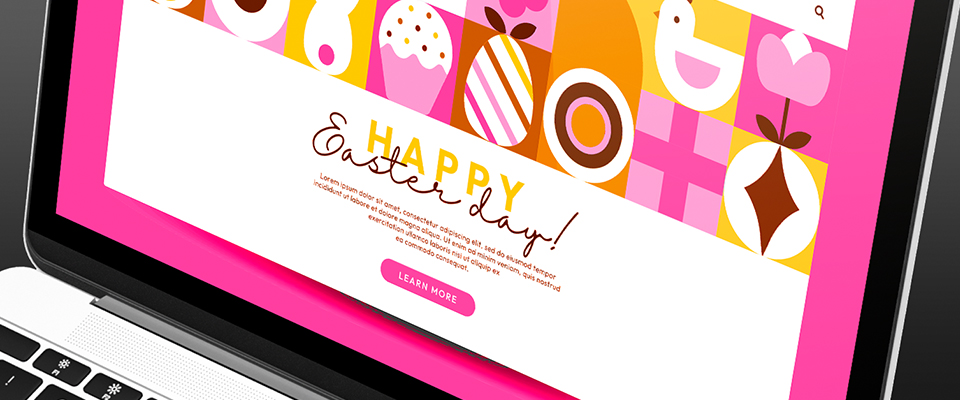
A dedicated landing page for each event gives you somewhere to send paid traffic, email campaign links and social media posts without dumping people on your homepage and hoping they find their way to the right products.
A good Mother’s Day landing page might group products by price point, include a countdown to the order deadline, show delivery options clearly and feature a few customer reviews. Easter pages work slightly differently because the gifting intent is more mixed, covering everything from food and chocolate to children’s toys, homeware and clothing. Think about which of your product categories fits the occasion and build the page around those.
If you use WordPress with WooCommerce, creating a filtered product page or a category page is simple. If you are on Shopify, you can use Collections to pull together relevant products quickly. Either way, aim to have these pages live and indexable at least two to three weeks before the event so search engines have time to pick them up.
Email is one of the most reliable channels for driving sales around key gifting dates, but the timing and content of your campaigns matter a great deal. Sending a single email the week before the event is rarely enough. A short sequence tends to perform better.
A simple approach for Mother’s Day might look like this. An early teaser three to four weeks out introduces your gift ideas and builds anticipation. A main campaign two weeks before the event focuses on your best products with clear calls to action. A last-chance email in the final few days before the ordering deadline captures people who have left it late. If your platform supports it, a post-event email thanking buyers and offering a small follow-on incentive can help with retention.
For Easter, which follows three weeks after Mother’s Day, the campaign planning needs to begin almost immediately after the first event. If you are running campaigns for both, plan them out on a calendar so you are not sending too many emails in too short a space of time. Most audiences are happy with two or three well-timed, well-written emails. More than that and you start to see people switching off.
According to Mailchimp’s email benchmarks, the retail sector sees some of the higher open and click rates when campaigns are timed around seasonal events, which reinforces the value of planning your sends around the calendar rather than sending ad hoc.
During peak gifting periods, abandoned cart rates can actually increase because shoppers are comparing options across multiple sites before committing. That makes your abandoned cart recovery sequence more important than usual, not less.
If you do not have an automated abandoned cart email set up, now is the time. Most email platforms and eCommerce systems support this. A simple reminder sent an hour or two after someone leaves without buying, followed by a second one the next day, is enough to recover a meaningful number of sales that would otherwise be lost.
In the lead-up to Mother’s Day, consider adding a line to your cart recovery email about order deadlines. Something as simple as “Order by [date] to guarantee delivery in time for Mother’s Day” gives people a concrete reason to act now rather than later.
One often-overlooked part of seasonal trading is what happens immediately after the event. Once Mother’s Day is over, your seasonal landing page has served its purpose, but the people who bought from you are warm customers who might be ready to buy again for Easter just a week later.
A simple post-Mother’s Day email thanking buyers, sharing what is coming up for Easter just three weeks away and offering something small, perhaps free delivery or a small discount, is a low-effort way to keep that momentum going. It also helps with repeat purchase rates, which matter a great deal for eCommerce businesses trying to grow without endlessly spending on acquisition.
If you’d like help getting your eCommerce website ready for spring, or if you want to talk about email marketing for your online shop, get in touch with b:web and we’ll take a look at what you have and where the opportunities are.