
Most estate agent websites cover the basics: a property search, a contact form and an about page. That’s a starting point, but it’s rarely enough to give vendors, buyers or landlords a real reason to choose you over the agent down the road.
A well-built website can do quite a lot more without making things complicated. Here are some of the most underused features that independent estate agents can add to make their site work harder for their business.
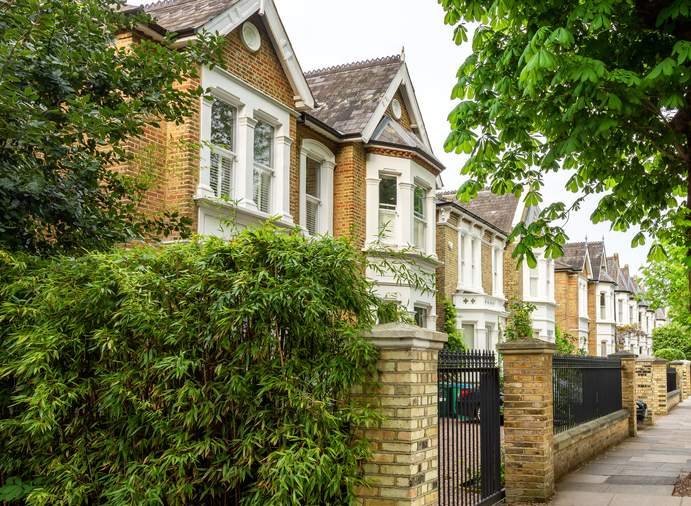
A well-written guide to a neighbourhood, covering things like transport links, schools, local amenities and the kinds of properties available there, does two things at once. It helps buyers and relocating tenants who genuinely need that information, and it tells vendors that you know the area inside out. That kind of local confidence matters when someone is deciding who to trust with the sale of their home. National chains can’t easily compete on this. You can.
Area guides also give your site something to rank for in local search results. A page about living in a specific part of your town, written with real knowledge and updated occasionally, will outperform a thin property listing every time.
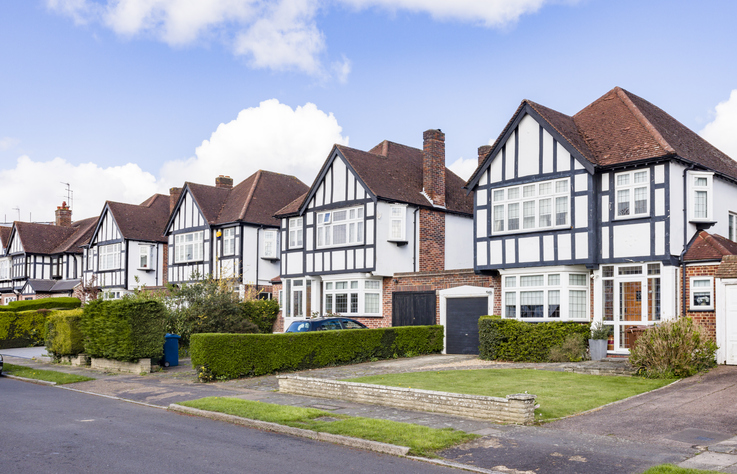
Rightmove and Zoopla show buyers what’s available now. They don’t give you anywhere to show what you’ve already sold, at what price and how quickly. Your own website can, and this is one of the most persuasive things you can put in front of a vendor who’s sizing you up.
A well-presented sold properties section, with good photography and a brief note about each sale, builds real credibility. It shows you’ve done this before, in streets the vendor probably recognises, at prices that demonstrate your market knowledge. It’s the digital equivalent of a vendor asking a neighbour who they used and getting a glowing answer.
If your agency handles lettings as well as sales, there’s a good chance your website treats landlords as an afterthought. A single “landlords” link buried in the navigation isn’t enough for a market that represents a significant part of many agencies’ income.
A proper landlord section should explain clearly what you offer: tenant finding, full management, rent collection, inspections and how you handle maintenance. It should also address the things landlords actually worry about, such as void periods, problem tenants and keeping up with current legislation like the Renters’ Rights Act. Sam Ashdown, one of the most well-regarded coaches in independent estate agency, has written about how effective good content can be at attracting landlords, and a well-structured landlord section on your website is exactly that kind of content. A landlord-specific enquiry form, separate from your general contact page, also signals that you take this part of your business seriously.

Most valuation request forms collect a name, an email and a postcode and leave the vendor feeling like they’ve submitted a ticket into a void. A smarter approach asks a few more useful questions upfront: the type of property, whether they’re thinking of selling or letting, their rough timeline and whether they’ve already spoken to other agents.
That information helps you prepare properly for the appraisal, which means a better conversation when you arrive. It also means you’re not calling a vendor cold with no idea what they want. Small things like this reflect well on how you run your business generally.

A row of five-star ratings is fine, but testimonials that mention a specific street, a particular challenge or how quickly you found a tenant carry far more weight. If someone is thinking about selling a three-bed semi in a particular area and they see a review from someone who sold exactly that kind of property with you last year, that lands differently than a generic “great service, would recommend.”
Your website should make it easy to gather and display these. An integrated Google Reviews panel keeps things current and builds trust, since visitors can see the reviews come from a verified source rather than being hand-picked by you.
None of these features are complicated on their own. The challenge is building a website that brings them together in a way that looks good, works on any device and doesn’t require you to become a web developer every time you want to update something. That’s what b:web’s bespoke estate agent website design is built around. If you’d like to talk through what your current site is missing, get in touch and we’ll take a look together.