

Epic Play is one of our long-term clients. They sell outdoor toys, ride-on cars and trampolines through their WooCommerce website. Earlier this year we undertook a full redevelopment and performance overhaul of the site. Here’s a look at what that involved.
The website had been trading for over ten years and, like most ecommerce websites that grow organically, it had accumulated a fair amount of technical weight along the way. Plugins that were no longer needed, a database that had ballooned to 1,423MB, and because of this page speeds had quietly degraded to the point where they were affecting both search rankings and user experience.
The media library told a similar story. A decade of product uploads, including products that had long since been discontinued, had left behind thousands of images: duplicates, old variants, images attached to nothing. That kind of clutter doesn’t just take up space. It slows the website down and makes it harder to manage day to day.
Security needed attention too. We implemented two-factor authentication across the website’s admin accounts. It’s one of those things that’s easy to overlook when a website is running smoothly, but it makes a real difference to how well protected it is.
Before any visible improvements could be made, we needed to sort out what was running underneath. That meant removing outdated plugins, clearing down the database, setting up automated weekly cleanup to keep it manageable going forward, tightening caching practices and significantly reducing the volume of code running behind the scenes. With that in place, we had a solid base to build on.
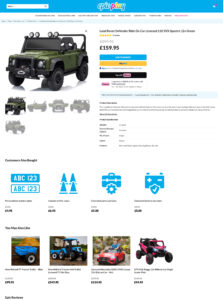
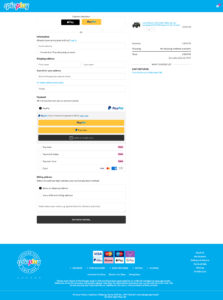
With the foundations sorted, we rebuilt the product and category page templates, introduced a side cart to make the checkout process smoother, applied additional caching and completed a full styling refresh across the website.
The performance improvements were measurable. Homepage speed on mobile improved by 74%, product page speed improved by 358% and the database came down from 1,423MB to 732MB. Those aren’t just numbers on a report. Faster pages rank better in search and convert better with real customers.
As with any serious redevelopment, making this live wasn’t the end of the work. It was the beginning of a new phase. In the weeks that followed, we continued to refine and improve the website: variant product pricing, stock display, mobile experience across search, the basket and the menu, checkout styling, a megamenu redesign, cookie consent integration and a seasonal homepage refresh, among other things.
That kind of continuous improvement matters beyond just keeping things tidy. Google’s own guidance on Core Web Vitals makes clear that page speed, responsiveness and visual stability are all factors its ranking systems consider, and that website owners should aim for good scores to support both search performance and user experience. Improvements to mobile navigation, checkout flow and page loading feed directly into that. A website that’s actively maintained will generally outperform one that hasn’t been touched since launch.

 .
.  .
. 
Alongside the redevelopment, we’re handling the addition of a new product range to the website. That involves sourcing images from the supplier, uploading all the product data, setting pricing and managing stock updates on an ongoing basis. It’s the kind of work that benefits from someone who already knows the website inside out.
We’re also tracking performance against agreed KPIs so that decisions about where to focus time and budget are grounded in actual data. If a product page is getting traffic but not converting, we can see it. If a change we’ve made has had a measurable effect, we can show it. That ongoing visibility is one of the more practical advantages of a retainer arrangement.
More recently, Epic Play moved their Google Ads management across to us too. Having the same team across the website and paid search means the two can work in step, with product data and landing pages consistent across both. That’s harder to achieve when different suppliers are handling different parts of the picture with little communication between them.
We also handle SEO for the website, including content creation and ongoing optimisation. Having the same team responsible for the technical side of the website and the content on it means the two inform each other. Page structure, load speed and content all play a role in how well a website ranks, and it’s much easier to get those things working together when they’re not being managed in isolation.
If you’d like to find out more about working with us on an ongoing basis, we’d be happy to have a conversation. Get in touch with the b:web team and we can talk through what kind of support would make sense for your business.